
Community Radio’s Role in Sustaining Independent Culture in Europe
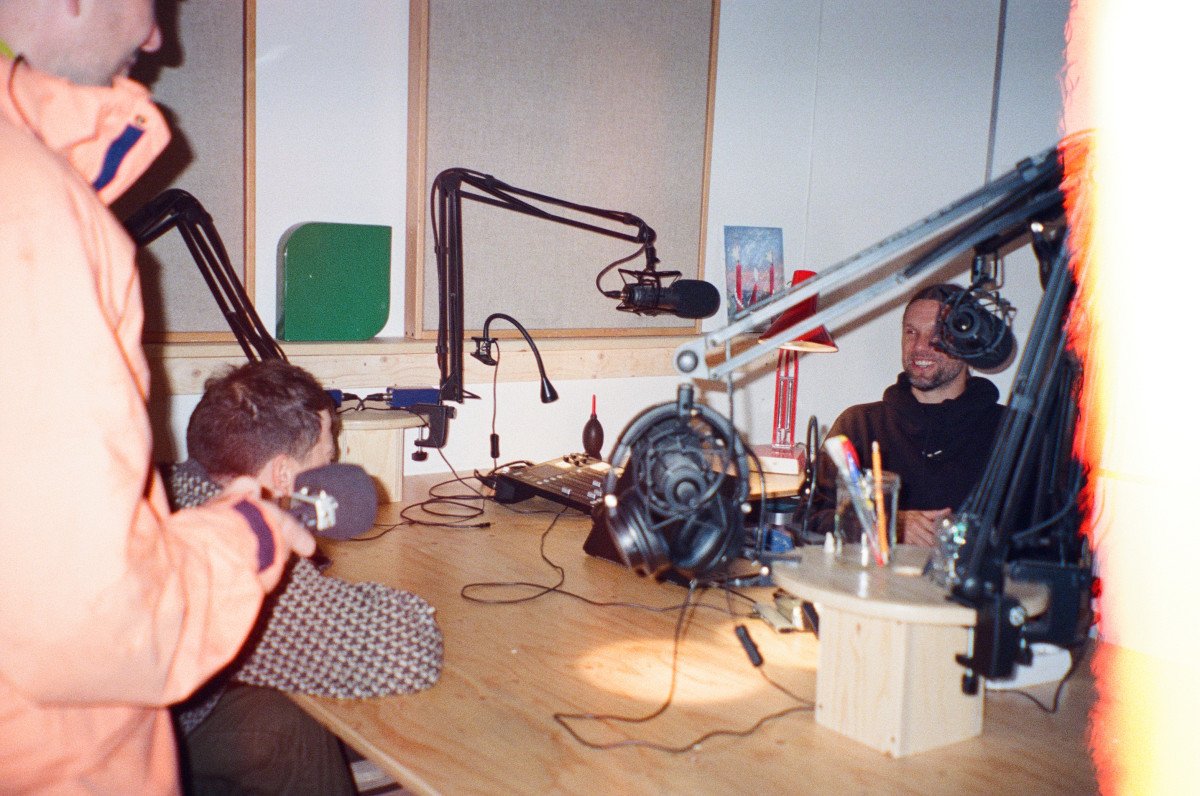
With the infrastructures of cultural exchange, curation, and experimentation facing the monotony of standardisation that comes with the template culture of digital technology platforms, small-scale online radio stations operate on the digital fringes as spaces of creative freedom that cuts across arts, music, media, and technology. As independent forms of cultural infrastructure, they are place-bound windows into cities, scenes, and how communities organise to sustain autonomous forms of culture. Yet the fringes bring precarity. This article presents the initial findings of Reset!’s Working Group on Community Radio, examining the shared ethos of these stations, their insights into their own social and cultural work, and the challenges they face in sustaining these endeavours.
“Let a thousand Radio Alice’s bloom.” Felix Guattari’s enthusiasm upon encountering the free radio practices of Bologna’s Radio Alice was a revolutionary moment for the French philosopher. How could radio create collective spaces of political freedom, of cultural experimentation, of new ways of being together, and of sharing space with one another? It’s not as if Radio Alice, born from Bologna’s radical countercultures at the end of the turbulent 1970s, had all the answers. Instead it was a blueprint. A station that exemplified a participatory ethos towards broadcasting, where anyone was entitled to speak and to be heard. It held open space for the most marginalised and excluded, bringing disenfranchised political subjectivities to the airwaves. All to the beat of punk’s ethics of DIY culture and the empowerment of up culture, community radio stations in all their rich varieties and strains, are establishing their own distinct ecologies of resistance. This article presents the initial findings from Reset!’s Community Radio Working Group, based primarily off a survey distributed via Reset!’s newsletter and social media presence in January and February of this year, alongside its member radio stations furthering its circulation amongst their networks. Of the 21 respondents, all but one were based in Europe, spanning both EU and non-EU countries, with France, Germany, and the United Kingdom being the most represented. As such, this article does not claim to represent the totality of cultural work of contemporary online radio stations–rather its purpose is to give a broad view of how radio stations articulate their work, their ethos, and, the challenges they face in maintaining their stations. creative expression, talent, and skill be damned. In the haze of state violence and the revolutionary upheaval of Italy in 1977, Radio Alice held firm to the Dadaesque belief in the radical potential of free expression. Follow Alice down the rabbit hole and encounter the possibility of a new world in the making.
While Radio Alice was forced off the air by authorities in March 1977, its reappraisal of what radio can do still reverberates half a century later. A quick scan on the aptly titled Radio Garden, an online directory of radio, illustrates just how much the medium has blossomed, with digital radio stations in particular, seeding themselves generously across the net and into cities across Europe. While technology platforms offer a sterile, even a scorched earth approach to bottom-up culture, community radio stations in all their rich varieties and strains, are establishing their own distinct ecologies of resistance. This article presents the initial findings from Reset!’s Community Radio Working Group, based primarily off a survey distributed via Reset!’s newsletter and social media presence in January and February of this year, alongside its member radio stations furthering its circulation amongst their networks. Of the 21 respondents, all but one were based in Europe, spanning both EU and non-EU countries, with France, Germany, and the United Kingdom being the most represented. As such, this article does not claim to represent the totality of cultural work of contemporary online radio stations–rather its purpose is to give a broad view of how radio stations articulate their work, their ethos, and, the challenges they face in maintaining their stations.
The working group in particular wanted to understand how organisers in radio perceived the cultural work of their stations, the type of work they do in their cities, who does this work, and how are they funded. Through understanding this work and the challenges stations face, the findings from this initial research will inform a future advocacy strategy to better push policy makers of the cultural value of the work these stations do, helping to protect the individual radio worlds that each of these stations cultivates. Despite the variance in the size of stations, their years spent broadcasting, and the geographical spread of the stations, the early picture from this survey illustrates a commonality in the station’s sense of purpose, their articulation of their mission, and the struggles they face in keeping independent media alive.
Radio in the Looking Glass of Community
The first goal of the survey was to understand how radio stations understood themselves. Community is the most common descriptor which emerges, followed by the language of independence, grassroots, and of being non-commercial. This suggests that the stations surveyed perceive themselves through the language of community media; in this tradition’s interest in representation, inclusion, access to media infrastructure, and the development of non-corporate spaces for community interaction. In Ireland, a recent report by Community Radio Ireland, found that community radio is not solely about broadcasting, it delivers social benefit, through public participation.
Community then is more than just an adjective. It appears in the survey as a practice that goes beyond broadcasting. For Radio Béguin, it’s about using the station’s radio stream as a “voice to those who are rarely heard”. Activities such as programming minorities, whether through open calls such as in Dublin Digital Radio’s annual Queering the Airwaves broadcasting festival celebrating queer culture and history in Ireland, or radio programmes such as Refuge Worldwide’s Skandal-Los on 6 generations of Afro-German history illustrate inclusive radio programming as a practice of community outreach. The building of community through radio doesn’t just occur through practices of curation and of radio making’s bridging of space between the maker and the listener, but also, through the work of knowledgeexchange in the form of workshops such as Radio Buena Vida’s Access to Music Making workshops for young people who would otherwise not have such opportunities to accessing music production.
It’s important to be cognisant of the word ‘community’ more, and the different scales through which participation, access, and inclusion can be understood. The word community can have so many different connotations, often carrying uncritical associations with positive social relations, that it can be difficult to understand what it means in practice. For example, who is the community in question? What are the practices of inclusion being spoken of? How do the communities participate in the life of the station? Do they participate primarily as 3 resident radio makers? As listeners? As volunteers? What say do they have in the organisational structure of the station? These are questions that need to inform the next stage of the study.
Bridging Scenes and Plugging Gaps
Parallel to such core values of community is how the stations operate as a node that connects different music scenes. Music is the primary vehicle that direct their activities, with the freeform nature of their radio programming bringing in a diverse roster of radio makers, artists, and community members. This contributes to their sense of having a network-building role within their scene, as a space that actively connects music scenes (both locally and internationally), shares resources and knowledge, while also strengthening collaboration. As one station described the role of their station: “We remain quite accessible and open to the different scenes that make up Lyon, creating a bridge between the more alternative scene and the institutional one.” This bridging metaphor, of creating internal links across music scenes, and interlinking scenes across borders, indicates how stations perceive their role of acting as independent cultural mediators, of sharing local music cultures outside of the metrics of platforms, and a reaching out across borders in the spirit of cultural exchange.
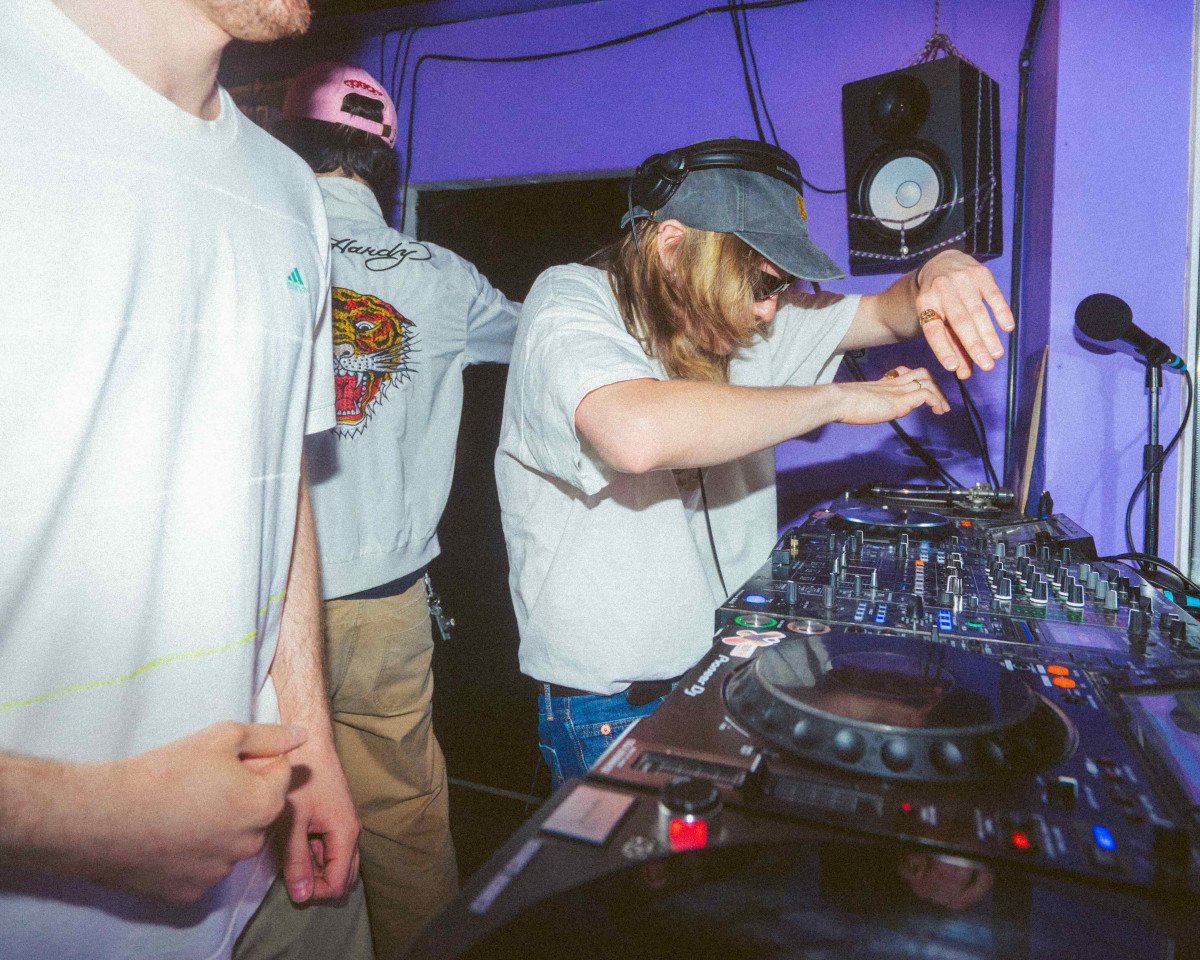
Gatekeeper Radio sees their role as “breaking down” the persistence of social and cultural gatekeepers, both through their radio platform and their live events. In fact, live music events from club nights to gigs is a consistent factor across the stations surveyed. These stations, once again, go beyond simply broadcasting–they operate as active cultural actors at the level of live music. Through the curation and production of music events, there is a synchronicity between the station’s digital and broadcasting presence, and their work as a grassroots music infrastructure often offering DJs and musicians their first gigs, volunteers their first opportunity to produce music events, and understand the work that goes into such. In this way, they operate as an important node within local music scenes, particularly at a grassroots level creating a participatory entry point for people to get involved and contribute to their local music scene.
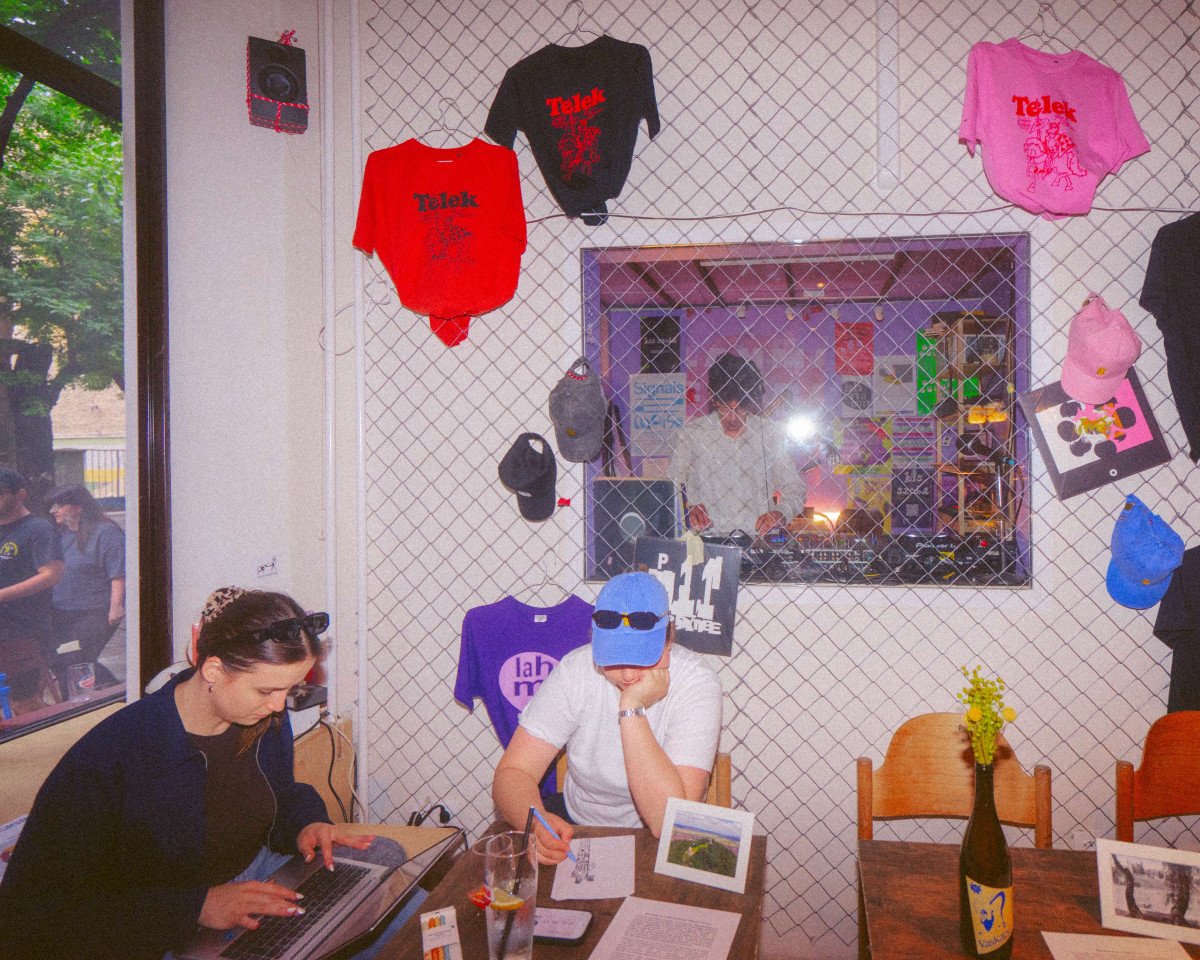
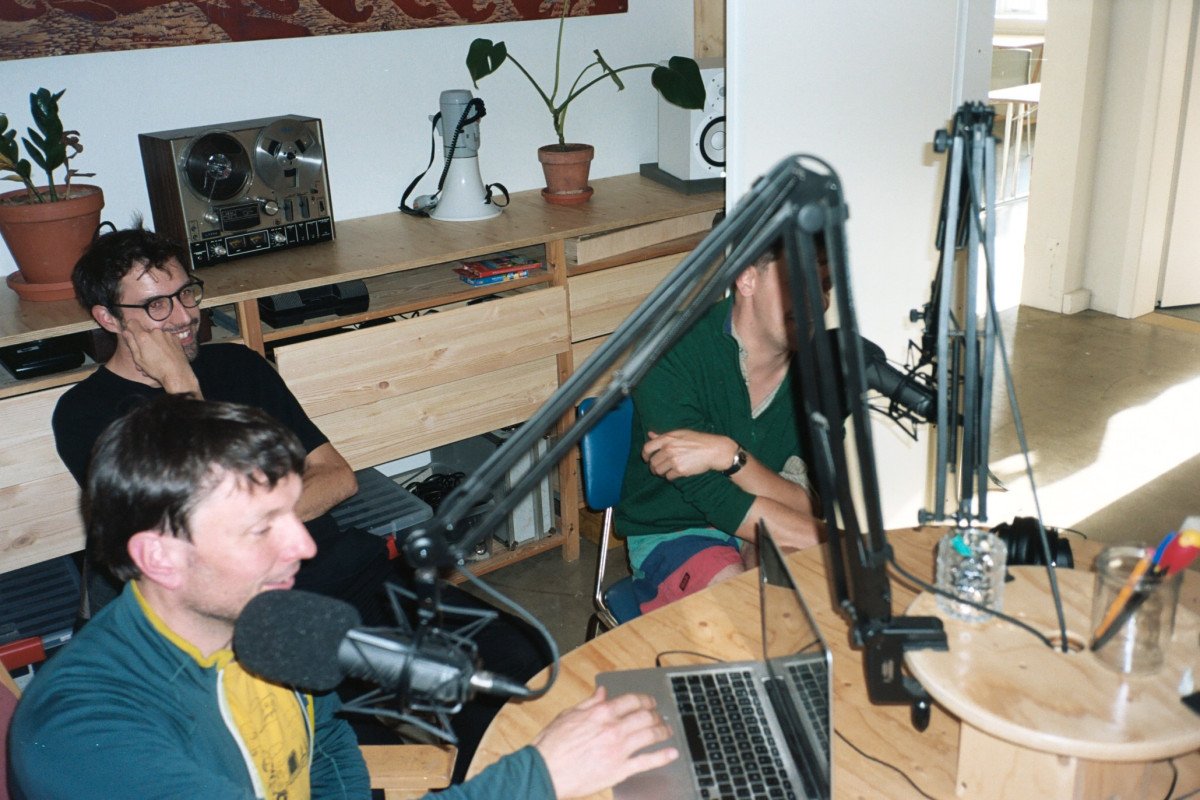
A recurring model that emerges for radio stations is their use of cafes, bars, or social venues, as their studio space, suggesting the embedding of radio within cultural hubs and centres in their cities. This public facing aspect of these small scale stations indicates how radio’s community aspect operates as a physical and in-person site of sociability, and not just over its airwaves. Such practices radically distinguish these radio stations from pirate radio stations in the past whereby secrecy was fundamental to their illegal broadcasting, and indicate how contemporary online radio stations are taking novel approaches to producing spaces in their respective cities. Other spaces where stations are finding studio spaces are community centres, artist-run studios, and shipping containers–illustrating an adaptability when it comes to situating studios. It also suggests the physical presence these stations are having in their respective cities, of plugging into existing cultural infrastructure, to create social hubs for community interaction.
Origins of the Stations
A desire to address the lack of representation for alternative culture within mainstream media channels is a distinct theme which emerges. In general, music acted as the catalyst for the surveyed station’s radio activities–with a distinct frustration expressed with the lack of space 5 given to underground music in their local media contexts as being the primary motivation for their station’s founding. 20ft Radio in Kyiv, stated they wanted to create a radio platform for the local artists and DJs “who lacked space on commercial media.”
The lack of space within commercial radio for underground and alternative music over the past decade or so has been a phenomenon observed by radio scholar Gallego (2021). He noted that public radio has become disconnected from underground music scenes, arguing that public radio has suffered “from several decades of neoliberalism, financialisation, and deregulation,” which alongside the challenges of music streaming platforms, has diminished the role of established radio channels in connecting listeners to new music. It is understandable then, in this context, that stations have expressed frustration with more established media platforms, and emphasise their proximity and embeddedness within local scenes. This groundedness could be interpreted as a push within stations as a proclamation of authenticity, of emerging from, and giving voice to local scenes, of operating as an entry point to music that is curated by people, rather than playlists–whether algorithmically curated, or otherwise.
A response to local circumstances is another distinct theme. With the Milan-based station Tempio Radio pointing to the rising cost of living in the city and its effect on the music scene. They noted too that they wanted to resist the logic of “more followers equals more success.” This statement points to the political work that some stations see inscribed within their radio organisations, of pushing back against the influencer cultures of social media, and instead attempting to celebrate collective and DIY cultures that strive to make culture accessible. The potential of radio as a political and social tool was repeatedly identified as a means to build community and sustain independent culture against its many current challenges, with examples ranging from Covid’s prolonged impact on music venues, to high costs of living reducing the accessibility of music. This impulse suggests that the founding motivation for these stations was to act as a social infrastructure, as much as a cultural one.
Funding and Sustainability
The core concern facing radio stations surveyed is a sense of precarity and the challenge of sustainability. Financial precarity was a common experience across all stations surveyed, bar one. Project-based funding from public bodies emerges repeatedly as the backbone of station income. However, this is described as insufficient, unpredictable, and increasingly difficult to obtain due to cuts in cultural funding. In particular, there is a view that the nature of project-toproject funding means that stations have to focus on the production of ancillary projects, in addition to the task of managing the radio station, resulting in additional labour demands. Creating a paid role within the station, distinct from the work of project management, is seen as critical to the sustainability of the project, but a step that is currently unachievable for many. Currently, six of the stations surveyed, have paid staff. Additional income streams include fundraising through events, studio hire, membership fees, merchandise, and bar revenue– highlighting the patchwork funding mechanisms that sustain stations, with each bringing their own labour loads. Stations in Hungary, Serbia, and Georgia, note in particular that the lack of public funding opportunities is likely connected to the political climate in their respective countries.
Volunteer labour is central to the operation of most stations surveyed, both as a response to the limited financial resources on offer, and, in some cases, as part of the station’s organisational ethos. This situation is not necessarily every station’s preference with volunteer capacity and burnout ranking as second and third in the main challenges facing stations. The issue of volunteer labour as the engine which sustains community radio stations needs to be interrogated more. For example, how is cultural labour perceived in these spaces? Is volunteerism considered a political ethos that grants organisations a degree of autonomy, or is it deemed a pathway towards a more professional organisational structure? How are volunteers incorporated into the oversight of stations, and into the decision-making mechanisms of the station? How, in other words, is their time spent volunteering reflected in the operations of radio? What does the relationship look like between commercial funding and the remuneration of volunteers for their time? These aren’t the questions that this survey set out to answer. However, the precarity that stations face, their reliance on volunteer labour, and the ad-hoc nature of paid positions suggest that these are critical questions to be explored to understand how DIY cultures negotiate the tensions between an ethos of grassroots cultural production, the over-reliance on volunteer labour and its impact on volunteers, and the dynamics that funding introduces into such expectations of labour. This is particularly important in the context of advocating for specific funding mechanisms–and to think through how such mechanisms will impact the volunteer culture within such spaces.
Governance and Decision Making
A key question for stations is how they govern themselves. Do they have formal governance structures or more ad-hoc ways of overseeing themselves? Are they legally constituted or do they operate informally? Their responses indicate a variety of governance models, ranging from formal to informal, with decision-making mechanisms that emerge from horizontal practices to frustrations with such. RadiOrakel has the most developed structure, with a board, an annual assembly, an editorial board, and an admin group. Founded in 1982 with an explicit feminist ethos, the longevity of the station is perhaps 8 reflected in the structural development of their governance. Dublin Digital Radio, a station which celebrated a decade of radio activity in October, operates according to co-operative media principles, overseen by a Steering Committee, who are voted in each year by the station’s membership.
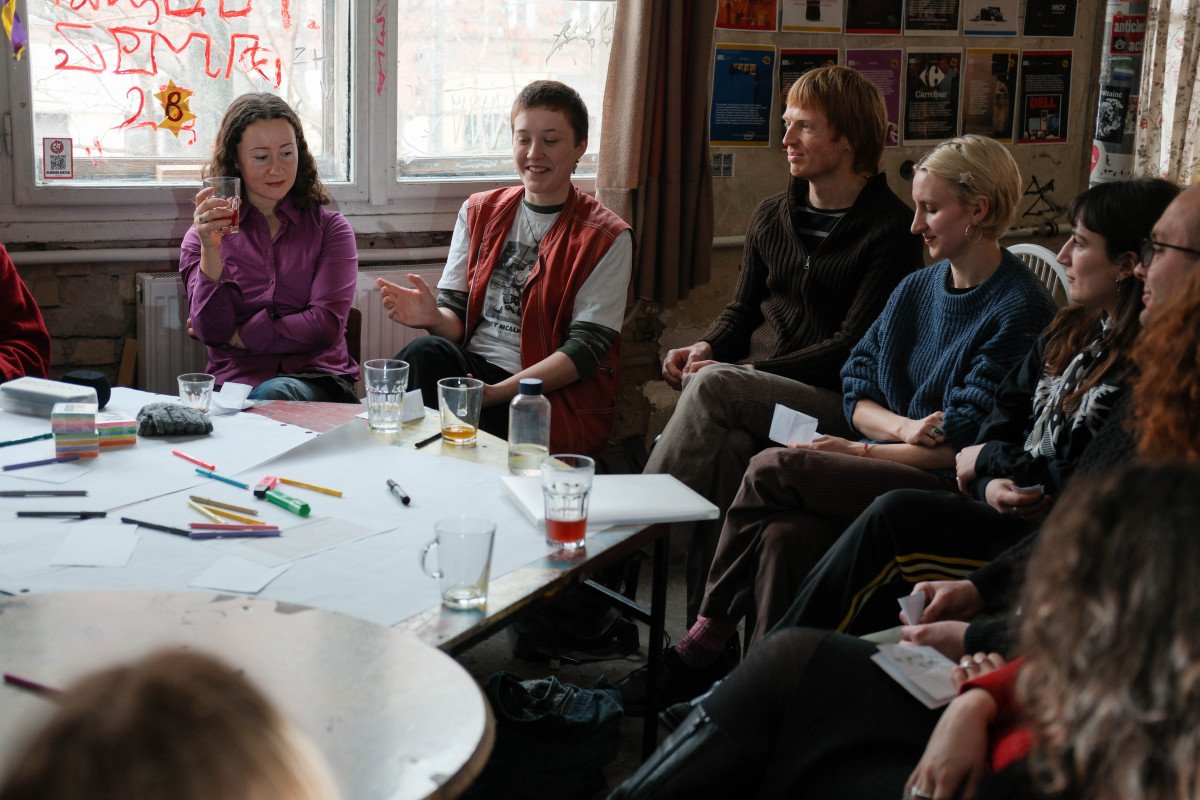
Many stations note that they aspire towards more explicit horizontal or collective governance, particularly when it comes to how decisions are made within the organisation. Radio Lahmacun operates through participatory processes involving working group members and show hosts, while Mouthfull Radio, based in New Zealand, runs on collective assembly and consensus. This suggests an interest in distributing mechanisms of decision making within the organisation, incorporating show hosts and volunteers into the collective management of the station. Radio Plato, a former radio station based out of Belarus that was forced to close by the national government, gave a clear picture of the challenges they found in sustaining horizontal forms of governance. The informality of volunteerism meant it was difficult for them to sustain the station, finding that it was only when paid roles were introduced that work would be attended to. This is an illuminating finding as it demonstrates the variance in experience that stations have in how volunteers take on not only the responsibility of operating a station, but the additional challenges that come with governing it. Despite these divergences, there is an overall view within the organisations participation and discussion is valued for the oversight of the organisation, with such input ranging from informal processes to structured consensus based decision-making.
A more structural interrogation of these mechanisms would be useful, drawing on media scholar Carpentier distinction between participation as access, as interaction, and as a share in decision-making power. For Carpentier, media participation exists on a continuum between minimalist and maximalist forms of participation–with, say access, such as making a radio show, being considered a weaker form of participation than more structural forms of participation that include having the power to make decisions within the organisation. When speaking about participation in media, particularly in community radio, it is important to be cognisant of what forms of community 9 participation is being tacitly understood when speaking about community involvement in the media sphere. Is community participation simply the ability of a community to access the station and make radio, or is it a more empowered position, that gives them structural agency over the direction of the media form? These questions for Carpentier point towards how we understand agency and power and their practices on the scale of the everyday.
Conclusion
Community radio, in all its varieties, has over the past decade operated as a vital social and culture infrastructure. It has provided an outlet for music lovers to discover new music, curated by DJs, musicians, and artists in their cities. It has given a space for people to share their music knowledge outside of Spotify playlists, and for communities to collectively produce and maintain DIY infrastructures that respond to the needs and interests of their respective city. These spaces resist the monoculture of tech platforms, allowing communities to connect on their terms, to build community, to bridge music scenes across genres and borders. They connect with the social and political movements on the ground, amplifying causes and ensuring that the radio reflects and represents the needs of their respective communities.
As the initial findings of this survey shows, the stations surveyed see community as a practice, whereby music acts as the shared resource that brings people together across a variety of contexts. They are the places where people might get their first radio show, their first gig. Learn how to put on an event. Find their confidence in front of a mic. Meet their tribe. Start a label with a fellow head. Be introduced to the frustrations of administration, to the techniques of grant writing. Be handed a flyer and join their first protest. Participate in a meeting. Lead a team. Organise. Produce a festival. Archive and understand the value of preserving the cultural worlds they themselves helped to create. Each radio its own microcosm, its own surreal little world.
This is the social and cultural value of these spaces. Their worth cannot be measured in listenership numbers or follower counts. They are more than just a medium. They have become an infrastructure which sustains life worlds, the histories of scenes, participatory cultures of learning and skill sharing that is intergenerational. They embody a polyculture needed to resist the authoritarian simplicity of platform culture. Each station has their own individual shape, corresponding to their needs, their ethos, and the crossroads of communities that meet and interact at their studios, their cafes, in their chatboxes, or their club nights. This is radio in bloom. Lock in.
About the author: Seán Finnan is a PhD candidate in TU Dublin’s School of Media, researching DIY internet radio’s role in opening up new cultural space. He is a co-founder of Dublin Digital Radio — celebrating a decade of volunteer-run community media and cultural activity. He is also a researcher-in-residence with the Independent Community Radio Network.
This piece is powered by Reset!, the network promoting independent cultural and media actors in Europe, and presents the initial findings of Reset!’s Working Group on Community Radio, which is coordinated by Samantha Lippett, examining the shared ethos of these stations, their insights into their own social and cultural work, and the challenges they face in sustaining these endeavours.