
Committing to memory (or not) by Aiden Brady
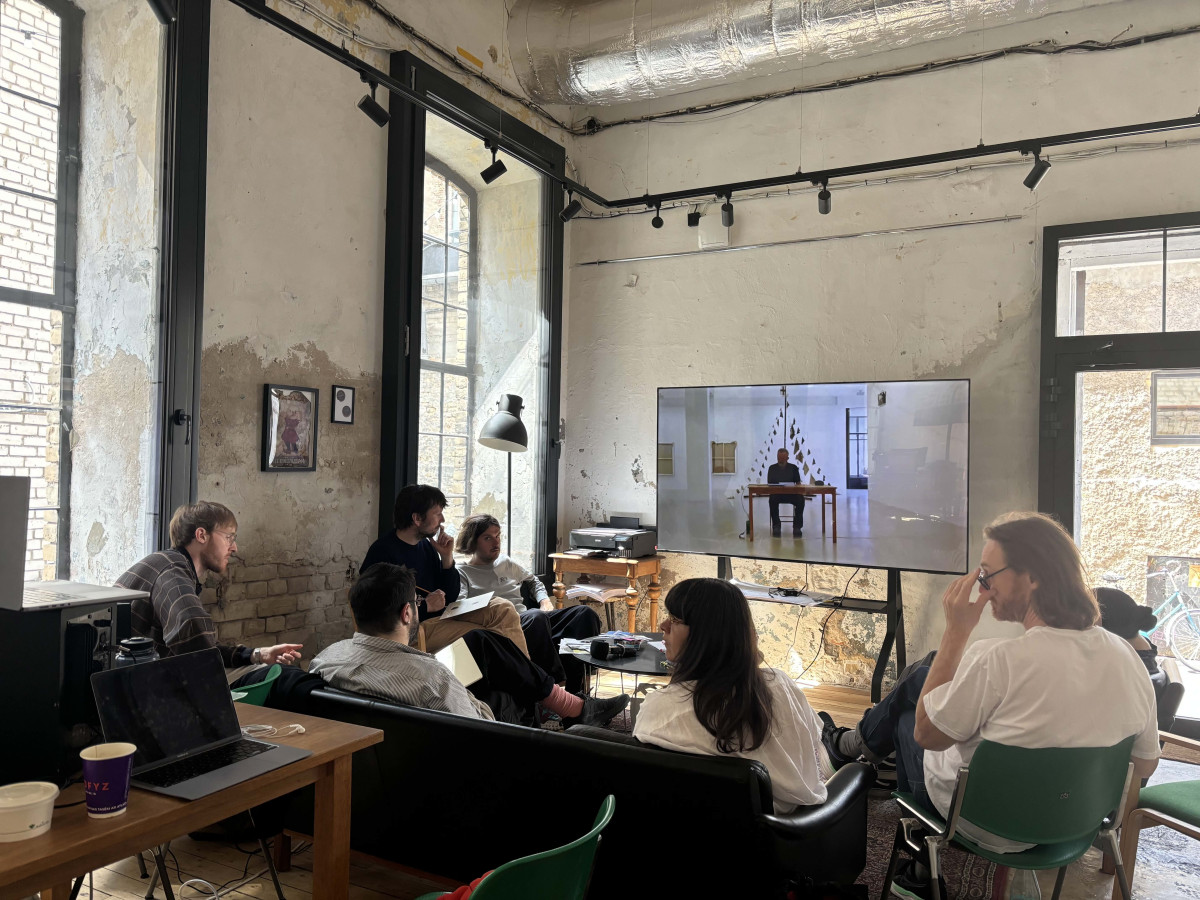
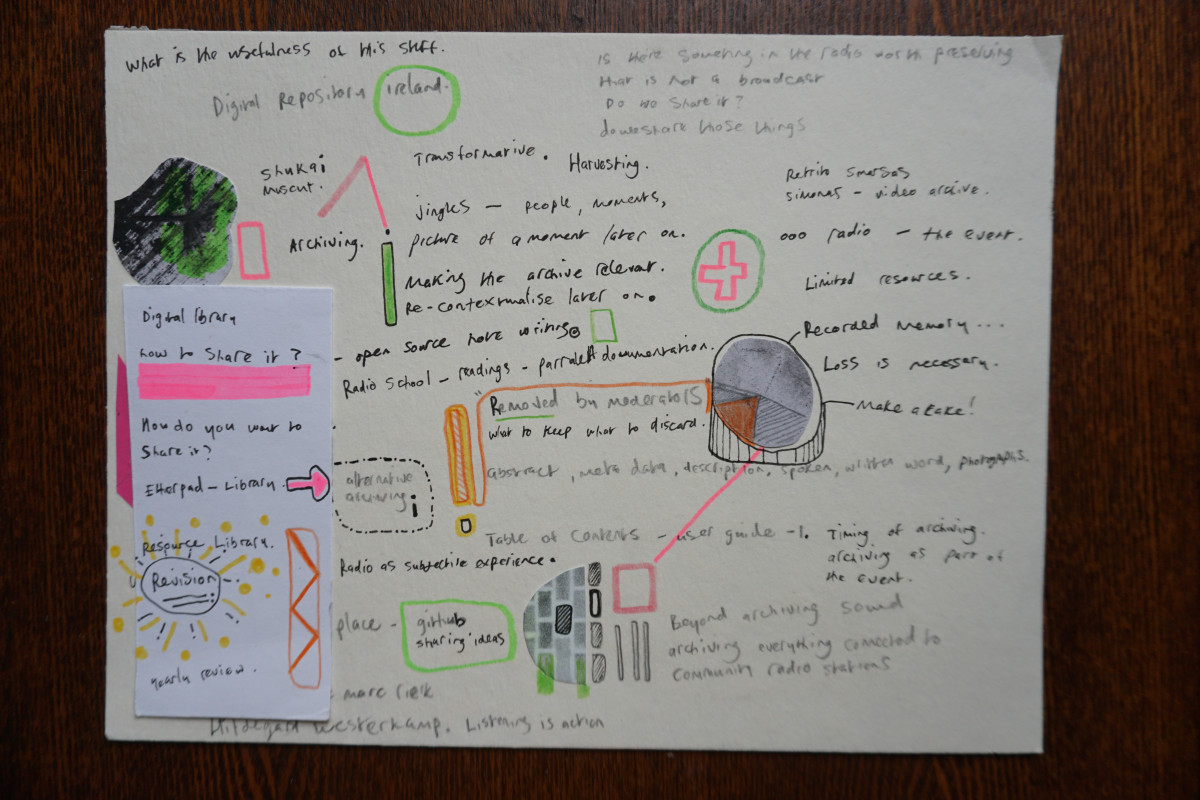
At the Independent Community Radio Network meeting in July 2026 hosted by Tīrkultūra, I hosted a session exploring the role of archiving within community radio stations. The session was geared toward thinking both philosophically and practically about the things within community radio stations that it might be worthwhile to archive.
When talking about archives within a community radio context, we mainly think about how we store radio shows and broadcasts which go out from a radio station. The storage and archiving of previous broadcasts comes with many permutations and important considerations. Whether to make a distinction between archiving live and pre-recorded shows, whether to store on a hard drive or at a data centre, whether to make the archive open and listenable. These are just a few essential decisions to the archiving theme, all with potential consequences that can feel simultaneously like both a vast, important ethical quagmire and an inconsequential exercise in navel-gazing.
This tension between self-perception and self-importance was perhaps essential to our discussion of how to preserve the activities of community radio stations beyond the sounds they broadcast. The fact that community radio stations often emerge from a specific social, cultural and/or musical context allows them to serve simultaneously as a vessel and organising principle for people within their corresponding community.
Put plainly, radio stations often emerge from networks consisting of existing connections between musicians, artists and organisers interested in sound within a local context. Activating and housing these networks on an ongoing basis is what makes community radio dynamic and impactful. One could ask: what aspect of documenting these active networks beyond the broadcasts themselves is useful? When judging whether it is worthwhile to archive our activities we are really asking, “should we document that we were here together?” Going a bit further even, we might ask: “should we document how we were here?”
Fragile as cultural ecosystems are, there are no guarantees of longevity for community radios. If someone in 20, 30 or 40 years (or in an officially offline, sanctioned country right now) was to discover material relating to a community radio station, what would they find? If they wanted to figure out how to start their own community radio, would a collection of broadcasts be enough to send them on their way? Maybe what we leave behind can be a trail of guidance. Figments, media (physical and digital), internal organising documents, Git repositories and printed matter derived from a radio station could all serve as a seed bank to catalyse the growth of new stations.
The day before this ICRN session at Radio Tirkultura on archiving, we visited the Latvian Centre for Contemporary Art (LCCA). The LCCA manages an archival repository of material relating to the band NSRD. This archive includes tape recordings, instruments, visual artworks, and equipment. Much of this was on display at Lithuanian National Museum of Art during an exhibition in 2024-2025. In recent years, NSRD’s tracks have been remastered and reissued by the Belgian label Stroom.
The visit to LCCA and the opportunity to see NSRD’s work archived gave useful fodder for our session, even if they relate to different contexts.. In the case of NSRD, their materials were donated to the LCCA, who then decided how to store them appropriately. Our case is quite distinct though, as we were discussing how we ourselves would consider archiving our own activities, both of ICRN and of individual radio stations within the network.
The format of the workshop was two hours, beginning with some introductory material, a brief discussion, then break-off into two smaller groups (plus optional coffee/hot-drink consumption) at a nearby cafe within the Radošā rūpnīca Veldze community centre. Afterwards, we returned to the unit where Radio Tirkultura was broadcasting throughout the week for a group discussion.
The introductory material to tee up the session consisted of a mixture of listening material and examples of non-broadcast materials which might be archived. We listened to a performance clip of Lasse-Marc Riek and Christoph Korn’s piece 'Series Invisible', which consists of reading notes made of place-based field recordings which have since been deleted. Later, we listened to some of Hildegard Westerkamp’s 'Listening Is Action' sound walk composition.
To motivate discussions around non-broadcast materials that are worthwhile to archive, we looked at a few examples from Dublin Digital Radio and ICRN. These examples were two examples of websites from which the source code is made publicly viewable on Github and one example of a daily radio schedule.
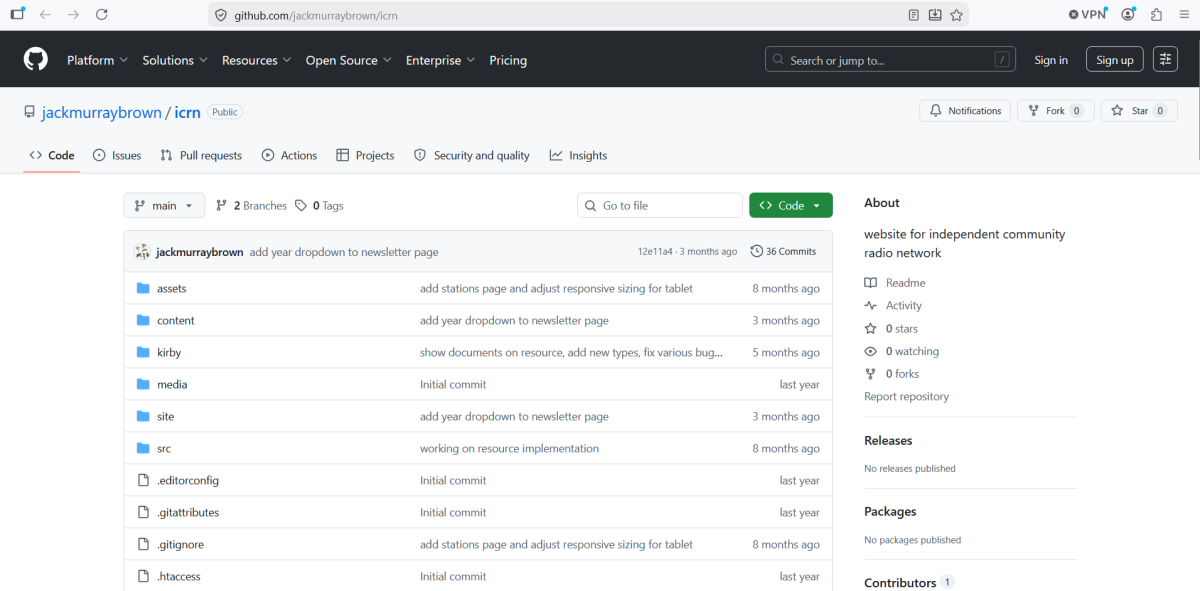
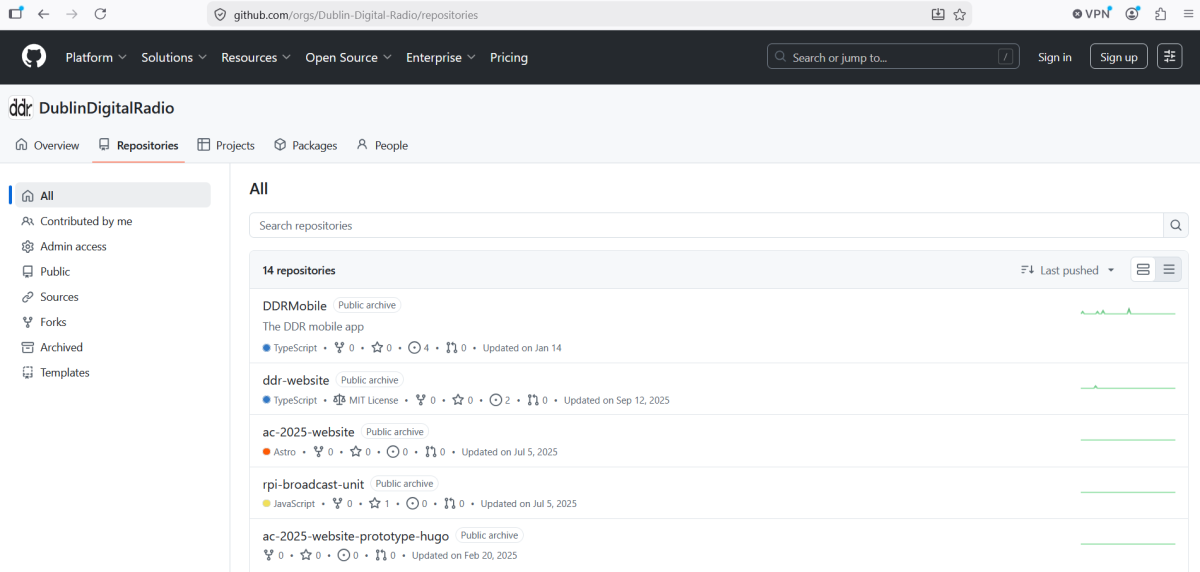
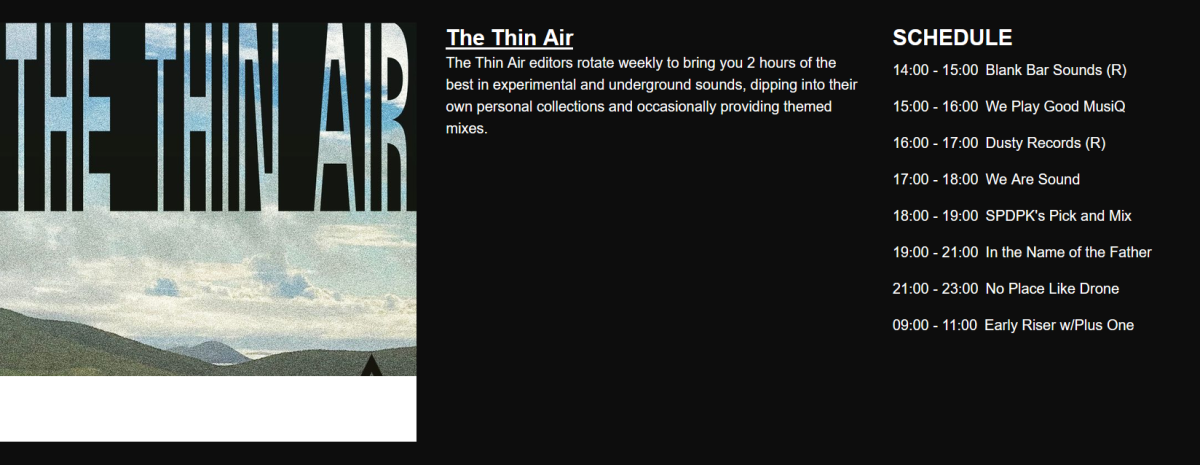
We briefly discussed these examples and split into two groups. When we returned, the group discussions were quite distinct. One group came back with quite specific and extensive ideas about the kinds of things that might be archived to preserve the work of a community radio station. The other returned with a mix of broad discussion points and critical considerations around archiving of this kind.
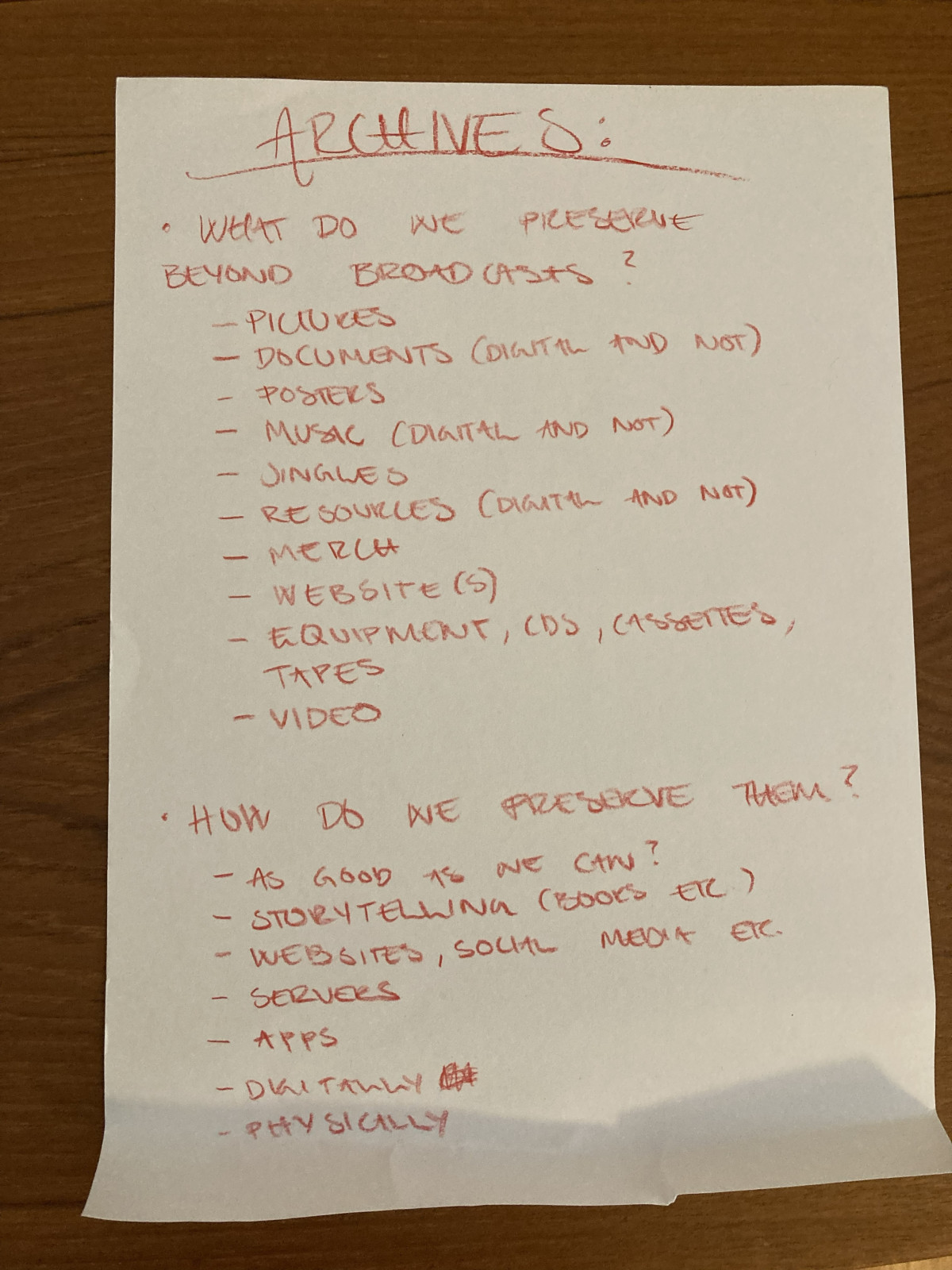
The dovetailed streams of ideas which emerged from this session were quite exciting. Older radio stations brought with them the examples of archiving which emerged from their 10th and 20th anniversaries. Others proposed the importance of recording everything because, as we saw within NSRD’s archive the day before, so many unremarkable things become important when dealing with memory.
This last point from the discussion was reflected by an inverse point which came up frequently, that it is difficult for a community radio to cast themselves in the role of their own archivist. Returning to the case of NSRD, their archive emerged from the fact that some people had carefully kept various materials which were important to the collective’s work. These people then donated them to the Latvian Centre for Contemporary Art.
So maybe it is too much to expect of ourselves for radio stations to put all the conditions in place for an archive of our activities. With a bit more research and discussion, perhaps there are archivists who might be ready-made to take on the organising of the kinds of materials we discussed in this session. One of the workshop participants made a strong case for 'recording and keeping everything' because everything can be useful.
After the session concluded and the group went to lunch, a conversation around the idea of a 'seed bank' for community radio stations came up. This might look like hanging onto codes and practices (i.e. internal working/guidance documents, or verbally exchanged knowledge) of a community radio station. This notion succinctly summarises why storing the seemingly inconsequential materials produced by radio stations could be so important.
On the face of it, such items might not seem interesting to someone familiar with how they were produced. The people who are producing community radio might just see the (less important) machinic components underpinning the (more important) output of community radio stations. To someone unfamiliar with these ideas, machines or practices, seeing the materials from all this work might be more like peering into the inner workings of something wonderful and new.
This workshop and report are by Aiden Brady, an artist currently based in Newry, Northern Ireland. Aiden currently sits on Dublin Digital Radio's steering committee. His artistic work mainly uses sound, video and digital media to ask questions about the self and the material conditions which shape it.