
'A leak, a trace, an echo' by Alba Molina
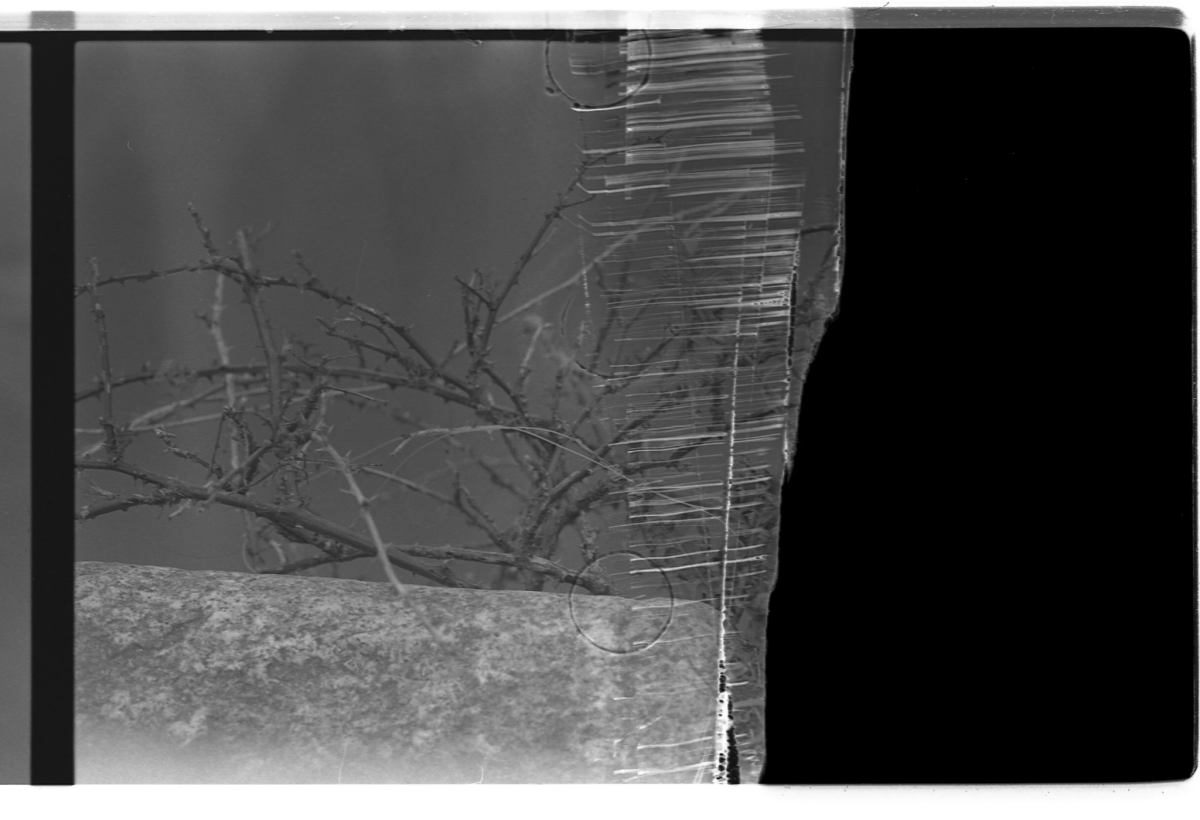
A leak, a trace, an echo
I started listening more closely when I realised the dimension that spaces and buildings take in our lives, the dynamics of the city infrastructure are never still, nor our relationships with them.
Moving through the city as a corridor, where the destination is the place to see, acknowledge, and hear. Traces of life and others are noticed primarily through sight. Buildings appear as surfaces. Streets become routes between destinations. Windows reflect light back toward me. Architecture feels fixed, composed, stable. Yet somewhere between the fast-paced walk, my headphones, and a sense of being out of balance, the certainty of the space I was inhabiting began to fracture. A very simple exercise of attunement had happened, no headphones, no destination, just listening and wandering. The city slowly unfolded differently through sound. Beneath its visible structures another architecture emerged made of vibration, resonance, echoes, mechanical hums, leaking pipes, passing trains, electrical currents, footsteps, water moving invisibly underground, laughter, conversations, silence… That active listening revealed that spaces were constantly sounding themselves into existence, conditioning the echoes around the city and its infrastructure.
I think now that listening has altered not only the way I hear environments, but the way I inhabit them. Slowing me down; unsettling the authority of vision. As Brandon Labelle states:
“As I’ve been considering, listening and power are profoundly interlocked and come to define a political arena in which who or what is heard, who or what is listening, shapes a particular social or institutional order.”
It made me aware that every space carries hidden temporalities and traces that exceed what can be immediately seen: power dynamics, social structures, what it was, and what it is. Through sound, environments became porous and unstable. Walls no longer felt entirely solid. Buildings leaked into one another. Listening became less about identifying sound sources and more about revealing relationships between bodies, materials, infrastructures, and epistemologies. It instilled a sense of belonging, a sensitivity of care and relating to others, a methodology for understanding beyond the seen, questioning the concrete, thus turning buildings into malleable structures.
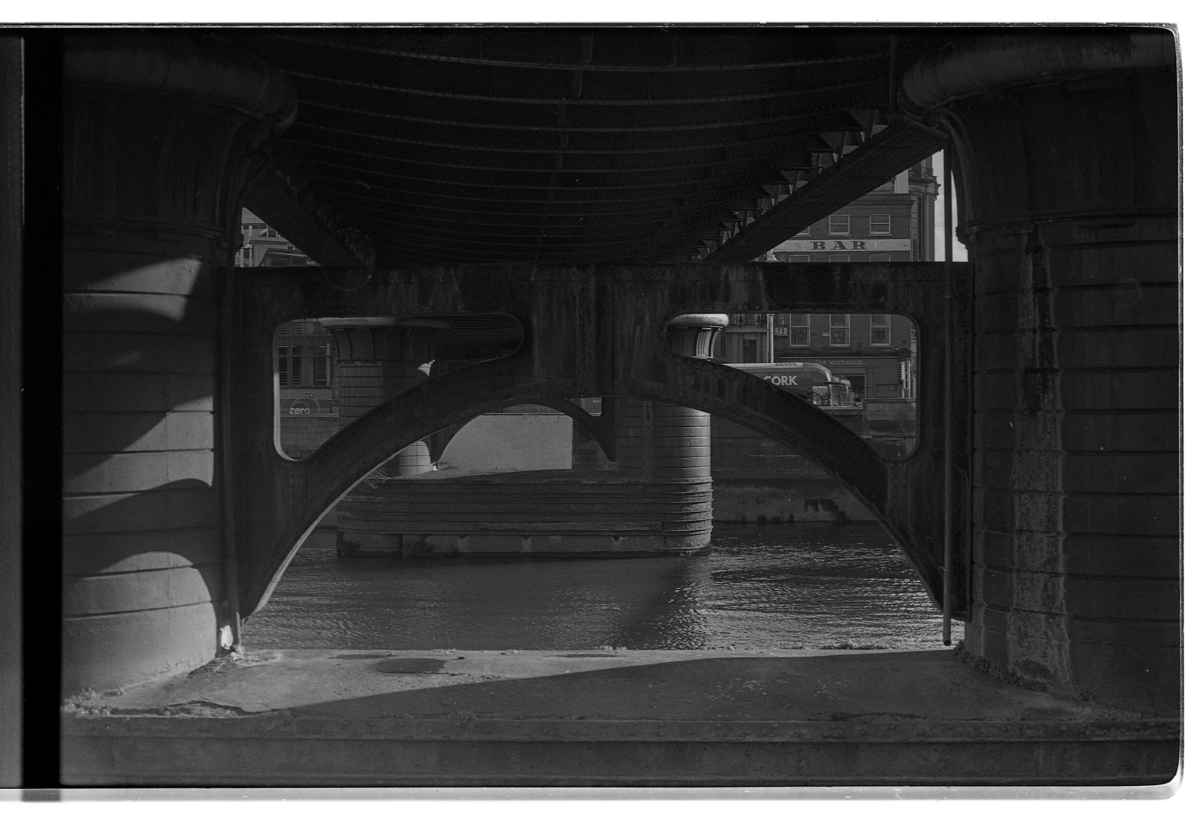
One evening, while recording underneath a bridge, I remember standing still for almost an hour, not daring to press record. I had initially gone there because visually the space interested me: the heavy concrete, the reflections on the water, the shadows beneath the structure. But once I arrived, the space reorganised itself sonically. Water moved slowly beneath the bridge, carrying small reflections of sound with it, small leaks, and sweaty walls. Above me, the train tracks rumbled in long, low frequencies that seemed to vibrate through my chest before I fully heard them. Now and then, footsteps echoed sharply against the underside of the bridge before disappearing again into silence. The longer I remained there, the less empty the site became. Listening stretched the space outward. And this sentence echoed in my head, lingering on the sensitivity of being in a space and taking stock of it “listening enables forms of self-care as well as care of others”. What initially appeared silent slowly revealed itself as dense with movement and activity. I realised then that silence is rarely an absence of sound. More often, it is a threshold of attention.
This understanding of listening as attention rather than reception has stayed with me ever since. I increasingly find myself drawn toward quieter sonic environments, places where listening requires patience and attunement. A pause. Perhaps because quieter sounds ask something different from the body. They resist immediacy. They cannot be consumed quickly. They require proximity, duration, and stillness. In these moments, listening becomes almost tactile. Intimate. I do not simply hear a space; I feel myself inside its resonances. This echoes the conception of how sound is never neutral, it positions us within environments. Contextualises experience, exposing dependencies.
Circling back to the idea of reception, radio comes to mind, a space where frequencies and sound leaks marry each other to share and connect. A transmission, and exchange, an invisible ecology continuously moving around and through us. Leakages suggest something escaping containment: sound moving through cracks, through walls, beneath doors, across surfaces. There is something deeply poetic in the way frequencies travel. They reveal hidden structures. They expose the instability of boundaries. Through listening, spaces confess things unintentionally, and radio seems to be the conductor. A metaphor to how we are relating and exchanging to the sounds within and around us. An invisible thread caressing the ears of others. Radio reveals that listening is never fixed; it is relational, unstable, and in motion.
Radio becomes a metaphor for the way we relate to the world acoustically. Receiving. Transmitting. Absorbing. There is also a particular sensitivity in the word transmission. Looking at its etymology, it emerges from the Latin transmittere – “to send across”. I pause on this idea of sending across. A suggestive confirmation that once a sound is produced it no longer fully belongs. It travels beyond bounds, exceeding containment the moment it has emerged. Waiting for its reception. Radio transforms the conditional atmosphere into a carrier. Voices drift across territories, frequencies bleed into one another, static interrupts clarity. Interference becomes the transmission. “The ubiquitous presence of noise is, indeed, essential in resonance dynamics”. And I guess radio acts like a resonance assemblage, a spatial condition existing between territories, languages, and bodies. Occupying thresholds.
The fragility of sound is ever present. Perhaps this is why I continue returning to it, why I continue lingering inside, echoes and frequencies. Sound refuses stillness.
Attuning to the conditions of my environment as I write, the text itself transforms into a rhythmic composition in my head. My thoughts as scores, or conductors, and the typing on the keyboard as the performer. Noise surrounds this composition. A distant car passes outside the window. I know its movement though out of sight.
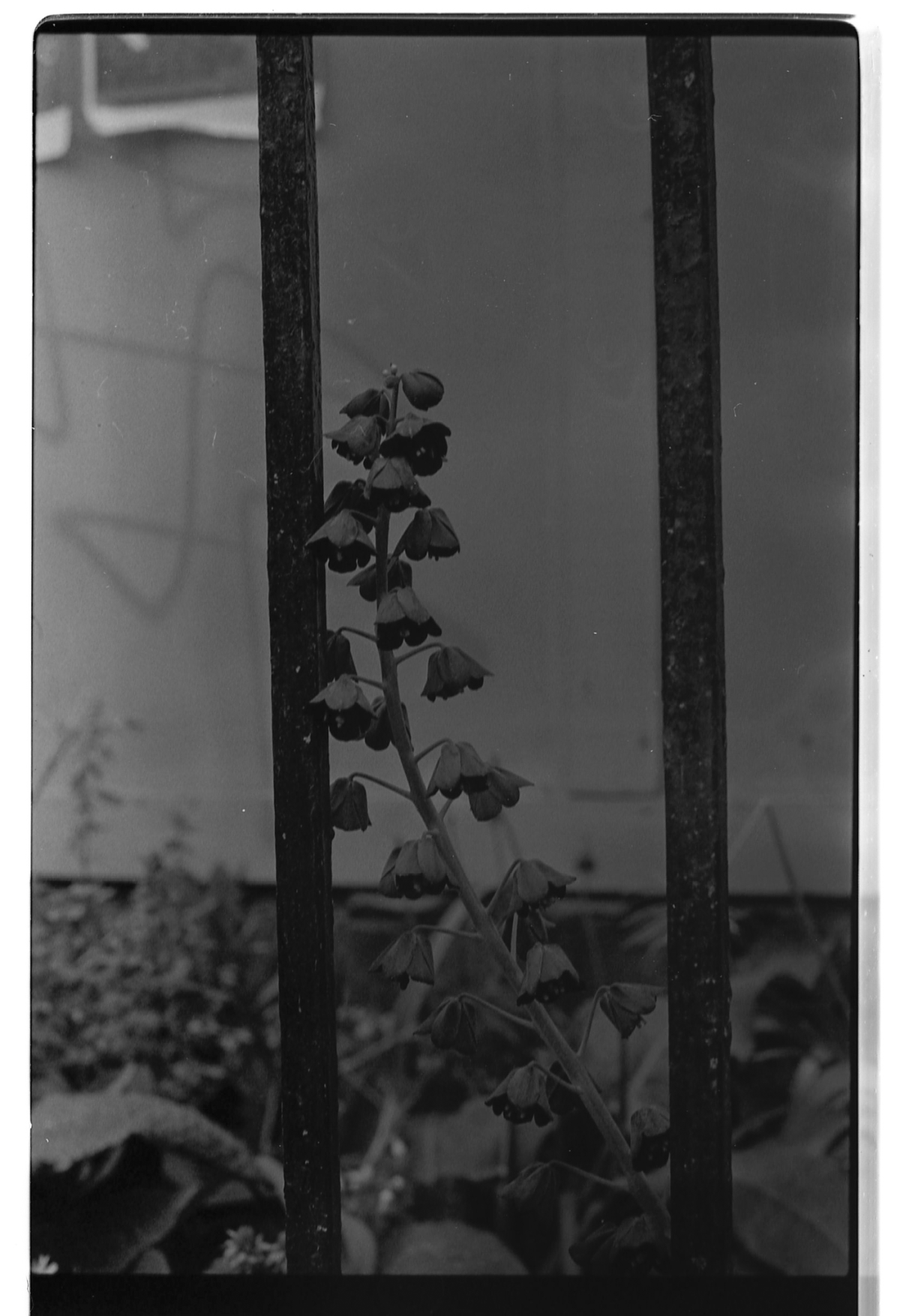
A practice of attention.
Listening becomes a membrane, porous and unstable, conditioned by the sound. A negotiation for attention. Writing about sound it starts to feel like a transmission. Thoughts drift and interrupt one another, through their own echo, returning altered and conditioned. The sounds currently distracting me, arrive with a partial meaning through my own imaginaries and sensitivities.
The hissing of the wind directs me to this text talking about the sonic practice of Mark Ernestus and Michael St. Werner. Their nirvana, “sound sets free.” Their desire to release sound from fixed perspectives feels connected to the way I have reframed listening as an embedded practice. Listening becomes not a stable act of reception, but a movement. Flux. An unfolding of space and its materiality. Spatial Music. Edgar Varese’s work imagines sound as something liberated from containment, capable of affecting displacement and reorganising relations between bodies and environments. Yet, what resonates with me the most is not the freedom granted to sound itself, but that granted to the listener. Sound becomes experiential and personal. St. Werner writes: “One must be consciously present, constructing one’s own experience and thereby experiencing its constructedness in real time. It’s about staying in motion, pulsating and becoming as active and permeable as a membrane.”
That idea of permeability stays with me, echoes within. A membrane is never entirely closed. Porous. Permeable. It filters, absorbs, leaks, exchanges. Just like radio, a threshold, and in between. We could argue that perhaps listening functions similarly. The listener is not external to sound, but a condition to it. Shaped through the material environment, perception and memory. Listening becomes participatory. Sound is never passive. To listen carefully is to enter into relation with instability itself.
Perhaps that is what interests me most about sound: its inability to remain fixed.
A sound only exists while disappearing.
The more I listen, the more I realise that environments are constantly composing themselves through repetition, resonance, interruption, and decay. Cities hum continuously. Buildings breathe through pipes and ventilation systems. Materials contract and expand. Water carries echoes. Listening reveals that spaces are never passive containers but active participants in shaping perception and memory. On itself, listening and sound, informs.
Sometimes I think about how many sounds remain unnoticed each day. Entire acoustic worlds existing beneath attention. The city speaking. A hidden rhythm emerges. A space reveals itself differently.
And once that shift occurs, it becomes difficult to return entirely to silence.
Listening has taught me that the world is always sounding beyond what we immediately perceive. Beneath architecture exists resonance. Beneath surfaces, vibration. Beneath the visible city, another city made of echoes and traces. Implying relation. To listen is to acknowledge proximity, presence, and coexistence. A political sensitivity in the condition of sound. Sound disregards many of the boundaries architecture attempts to enforce; it crosses walls, shimmies into private space, travels through infrastructure, carries traces of labour, migration, surveillance, celebration, violence, and care. It conditions, and reveals. Sound exposes how power moves within the space it holds. Who is heard. Who is silenced.
Listening becomes an act of resistance as much as perception. Remaining attentive to what exists beneath dominant narratives and visible structures. An attention of care and commoning. The city speaks continuously through its infrastructures. Entire social dynamics and narratives emerge acoustically before the voice. Before their visual legibility. Sound carries the emotional sensitivity of a place. The tensions within and around it.
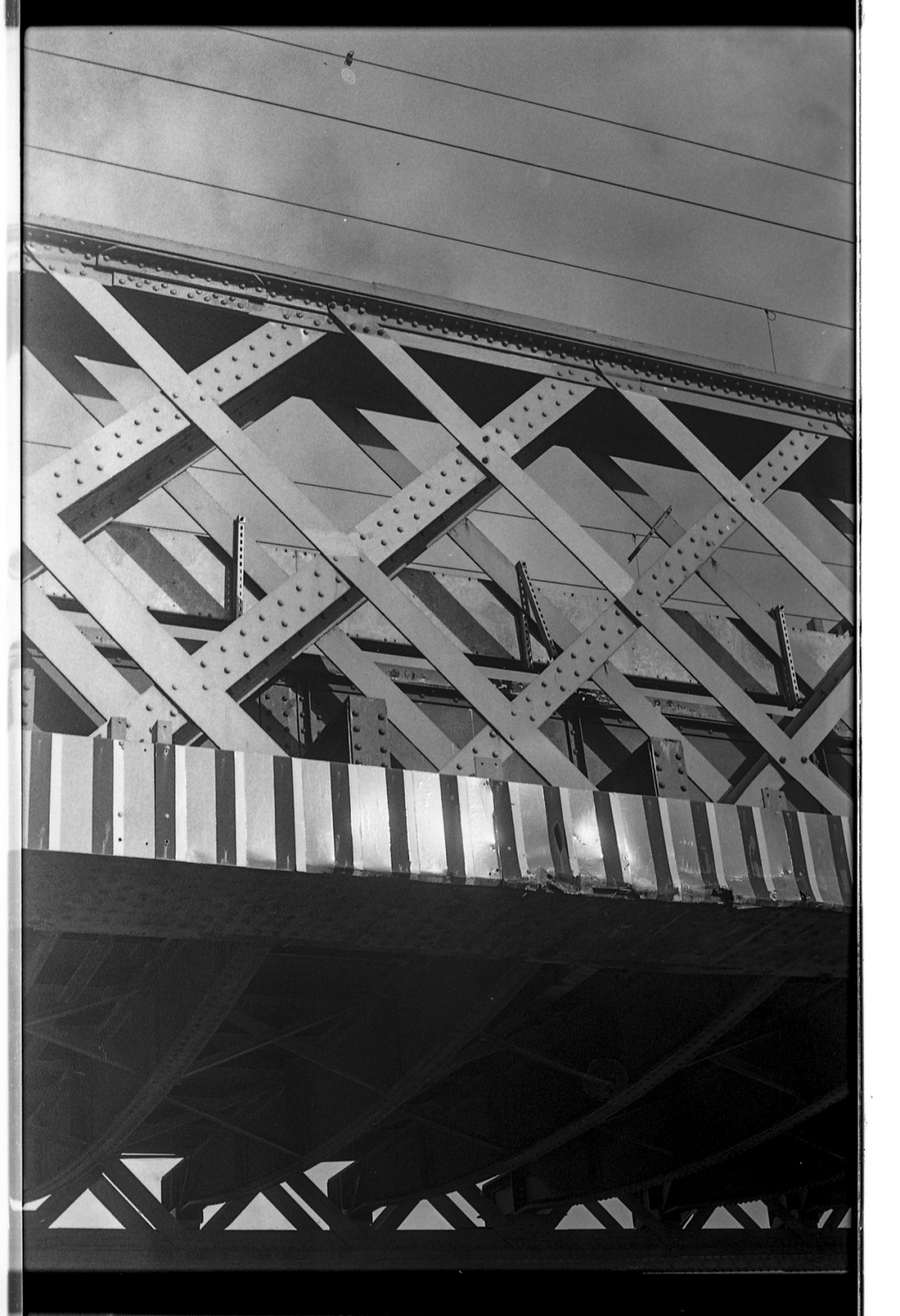
Listening demands vulnerability.
Sound insists upon contact. It reminds us that we are permeable bodies moving through equally porous environments. Perhaps this is where the political dimension of listening becomes most sensitive: in recognising that to inhabit space is already to be entangled within countless invisible transmission, relations, and dependencies. Listening not only becomes a method of sensing environments, but a way of remaining ethically present within them. A practice of attention. Of care.
Sound never fully settles; it decays, disperses, reverberates. It allows for a prolonged understanding, allowing to resist the desire to immediately define or contain experience. Sound lingers. It leaves residues and traces behind. Is this why the poetics of listening find themselves entangled in their politics? The ways we listen, the silence we produce, the voices we amplify condition the experience and embodiment of the world by others. Listening shapes relations. It determines whose presence is acknowledged and whose becomes noise.
Yael Navarro argues for a negative methodology of sound, one attentive to silence, absence and the conditions they produce. Silence is never neutral. It can protect, but also erase. To listen carefully therefore becomes an act of recognition, allowing space for what struggles to remain audible. As Brandon LaBelle writes, “Listening is profoundly agentive, spanning across all types of movement, assemblies and debates – it is mobilized against systems and structures whose irresponsiveness to the cries of people is seen as turning a deaf ear.”
Against this, listening offers a possibility for a slower and more attentive relation to the world, one grounded in sensitivity rather than domination and assumption. To attentively attune yourself to a space is not to master it, but to remain vulnerable to it. To allow oneself to be affected by its resonances, leakages, transmissions.
I continue listening for those hidden conditions.
For the sounds that remain at the threshold of disappearance.
For the echoes still travelling quietly beneath the surface of things.
References:
LaBelle, Brandon. Poetics of Listening: Inner Life, Social Transformation, Planetary Practices. London: Bloomsbury Publishing, 2025.
Ouzounian, Gascia. “Becoming Air: On Sonic Spatial Metaphysics.” In The Sound of Distance: New Conceptions of Music, Space and Architecture, 13–21. Berlin: Haus der Kulturen der Welt, 2021.
Spectres II: Resonances. Berlin: Shelter Press, 2024.
“Transmission,” (accessed May 14, 2026). https://www.etymonline.com/word/transmission
Alba Molina [she/her] is a creative producer and artist based in Dublin. Her multidisciplinary practice engages sonology, spatiality and urbanism, working through themes of commoning, togetherness and collective learning.
Her work is concerned with the relationship between sound, acoustics and space, and with listening as a political and relational act. She explores how sonic experience shapes our understanding of the built environment and how collective listening can function as a form of care, repair and resistance. Through soundwalks, radio, field recordings, and immersive interventions, she examines the intersections among the self, the city, and shared social worlds. Her research-led practice spans photography, video and sound, alongside curatorial and production methodologies that foreground collaboration and experimentation.